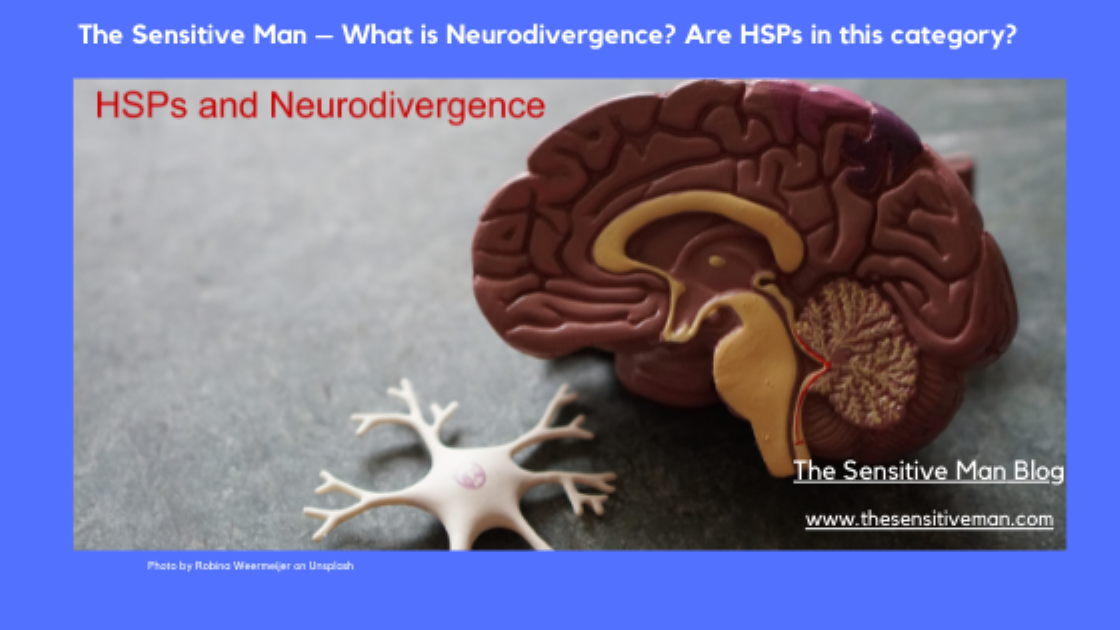
 A Blog about Sensory Processing Sensitivity from the Worldview of a High Sensing Male A term has surfaced recently into my consciousness: neurodivergent. What does this mean? There is a movement afoot to expand the view of what we consider normal brain functioning that would now include many developmental disorders that would be seen as dysfunctional in the past. The thought is to expand what we now consider a wider spectrum of mental diversity. Judy Singer, a sociologist who has autism, coined the term in the late 1990s to include these disorders as normal variations in how the brain processes and functions. The idea behind this diversity is to demonstrate that although to the general population, these "specializations" might seem aberrant, in fact, they may be considered strengths, areas of specialized focus. The argument for encasing the idea of normal divergence of human mental functioning expressed by these variations would consider them to be adaptations, which provide strengths and diversity to the human genome. Furthermore, many experts believe that because these adaptations remain within the human population, they have some evolutionary purpose and advantages. For HSPs, this should sound familiar. Normality This seems to beg the question, what is normal? It is reported that over a fourth of Americans and up to one-half over a lifetime suffer from some type of mental disorder. This would suggest that at some point, most of us suffer from some type of dysfunction, whether temporary or permanent. However, how much dysfunction is needed to be then termed abnormal? As Peter Kramer suggests, "If for many of the factors difference confers some degree of vulnerability to dysfunction, then we will find that we are all defective in one fashion or another." If we take into account the enormous diversity of the human genome then certainly defining normal becomes more problematic. Does normality imply that one is free from dysfunction, or can we now agree that as we all share the human experience, we are prone to divergent functioning, which must be accounted for as part and parcel of what it means to be human? As Kramer states, "the awareness that we all bear flaws is humbling. But it could lead us to a new sense of inclusiveness and tolerance, recognition that imperfection is the condition of every life." Could then this be implied that our "dys-perfection" be the fruit of our human existence and a key contributor to overall human adaptation and survivability? Neurodiversity attempts to cover a wide range of developmental disorders, principally: Autism, Attention Deficit Hyperactivity Disorder (ADHD), Dyslexia, and Dyspraxia. Autism is a spectrum disorder classified as a complex neurodevelopmental condition that includes impairment of communication and social skills, combined with repetitive behaviors, and impaired learning and executive functioning. ADHD covers a wide range of attention and organizing skills deficits that often manifest as impulsivity and distraction. Dyslexia refers to reading or writing problems that cannot otherwise be explained by a lack of intellectual, learning, or sensory issues. Dyspraxia refers to a condition in which impairment occurs in the execution of motor skills and the ability to execute a plan of action. In addition, some dyspraxic individuals may experience Sensory Integration Dysfunction, which creates oversensitivity or under sensitivity to physical stimuli. Dyspraxic individuals may also experience what is considered a type of sensory overload, which causes panic attacks. If seen in the light of neurodiversity, are all of these behaviors adaptations? One theory proposes that these disorders result from environmental factors due to early childhood stress and trauma. Yet, complex human behaviors are rarely just products of the environment but a complicated interplay between genetics and environment. Even in their seeming dysfunction, these disorders can show the amazing adaptability of humans. It is noted that people with dyslexia can adapt to their struggle with reading to develop efficient and remarkable visual memory, which aids in reading and comprehension. In his book, Attention Deficit Disorder: a Different Perception, Thom Hartmann argued that an accounting of ADHD might be to describe the disorder due to an adaptation from a characteristic of earlier hunter-gatherer humans now stuck in a farming society. The idea that adaptive characteristics from a different, older cultural milieu did not translate well into a society that had moved on from nomadic life to a more stationary life. The genetic traits once useful in hunting animals, i.e. hyperfocus, were no longer as important and useful in raising animals and crops. Yet, the trait survived to bring us individuals with ADHD. Hartmann argues that ADHD is not necessarily maladaptive nor a disorder but needs to be seen in the context of its original purpose. There is some research supporting this hypothesis. Again, the point is, what is normal? Ways in which HSPs may be considered to be non-normal. Studies have pointed out that often highly sensitive people may be confused with having a variety of disorders including autism, schizophrenia, social anxiety disorder, and are prone to episodes of depression and moodiness. In fact, the trait of Sensory Processing Sensitivity has been referred to as introverted emotional temperament, chronic cortical/cortisol arousal, hypervigilance, and innate shyness. Thank God for Dr. Elaine Aron giving it a much more positive framing. Nevertheless, we are a minority population within humans, which makes us a little non-standard. Many HSPs report, along with other people that are not highly sensitive, that the trait is problematic at times, making life complicated and challenging. When overwhelm kicks in, SPS can be considered debilitating to some HSPs if they do not know how to handle the overstimulation we often experience. In addition, there is a certain amplification of life's experiences, which may lead to depression, anxiety, and fear-based limitations. Then there's the social isolation that often accompanies our introvert dominant personalities, and for the extraverted HSPs, the dealing with the need for downtime. Yet, taken as a whole, can we say the trait is a dysfunction? I think not. I still hold true the explanation of Dr. Aron, that the trait is an evolutionary adaptation necessary within our species. It continues to proliferate through time and does have a purpose. As Dr. Tracy Cooper often says, we are a fine-tuned instrument. Fussy at times, but necessarily so, to bring about the sensory detecting purposes of our nature. To be able to detect the subtle, the nuanced, and the environmental nuggets others miss. Is our trait (SPS) a form of specialization? Yes, most definitely. When you consider the HSP's ability to think deeply, deeply consider, and deeply feel, that alone makes the trait a specialization - an adaptation, if you will. And that is on the backend of the processing; if you add the ability to consider and sense the subtleties in the environment to feed that backend, you add a depth and dimension that adds value to observation and deduction. To then tie it all together, you add empathy--the social emotion, which gives HSPs relatability and the ability to sense others, aid others, feel others, gives us a potent arsenal of capabilities, that despite our challenges, make us specialists amongst humans. We are the canary in the coal mine, the early warning system, and to use a crude metaphor, the pebble in the shoe, warning our fellow humans of impending trouble. We may be a pain in the ass to some, but we are necessary. If that is dysfunctional, then why hasn't nature selected us out? Every day and it seems more so now than ever before; we expand the terms to being human. Neurodivergence attempts to continue this trend. Why not move beyond developmental disorders and include rare personality traits or minority personality characteristics such as SPS? Doesn't that add to the complex stew of human personality traits? So, what if we are neurodivergent? Should we be? We are just what we are and what nature intended for us – all of us. What if we called it “neuroinclusive?” Please share your thoughts in the comment section. 
2 Comments
Kathy
3/25/2022 07:52:49 am
Oh yes, I hope this will become true in the future. The spectrum includes many colours. Which colour would you choose for HSPs?
Kathy
3/27/2022 09:19:12 am
I want to ask something: Some people say "HSPs are just autistic or adhs people and not HSPs". Whats your opinion about this? Leave a Reply. |
AuthorBill Allen currently lives in Bend, Oregon. He is a certified hypnotist and brain training coach at BrainPilots.com. He believes that male sensitivity is not so rare, but it can be confounding for most males living in a culture of masculine insensitivity which teaches boys and men to disconnect from their feelings and emotions. His intent is to use this blog to chronicle his personal journey and share with others. 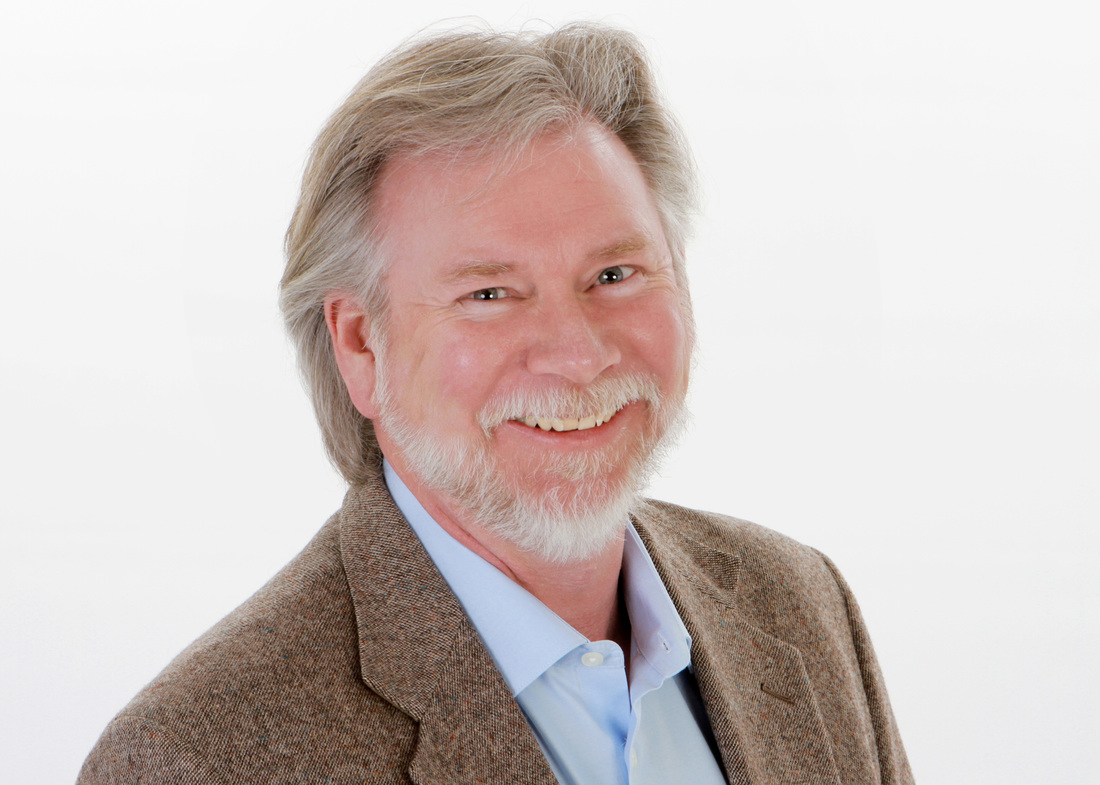
Archives
July 2024
Categories
All

|
 RSS Feed
Proudly powered by Weebly